
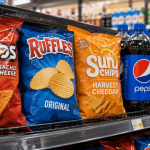








PepsiCo is preparing to increase prices on several popular snack and beverage products, including Doritos, Ruffles and SunChips, just months after lowering prices to attract budget-conscious consumers. The company cited rising production and transportation costs, including higher expenses for fuel, aluminum and agricultural materials, as it navigates continued pressure on its North American business.
The planned increases, expected to be in the single-digit percentage range, come as the food and beverage giant works to balance affordability with rising operating expenses. Despite the adjustments, PepsiCo said prices on affected products will remain below their levels at the beginning of 2026.
PepsiCo Reverses Some Snack Price Cuts Amid Rising Costs
Earlier this year, PepsiCo reduced prices on several major snack brands in response to consumer concerns about food inflation.
In February, the company announced price reductions of up to 15% on select products, including Lay’s and Doritos, according to Reuters. The reductions followed customer criticism of previous price increases and were intended to encourage shoppers to return to the company’s products.
However, rising operating costs have prompted PepsiCo to reconsider portions of that pricing strategy.
According to the New York Post, the company plans to implement modest increases across selected snack and beverage categories rather than return prices to their previous highs.
Fuel, Aluminum and Agricultural Expenses Drive Increases
PepsiCo attributed the latest pricing adjustments partly to higher costs associated with tariffs and the ongoing conflict involving Iran.
Fuel expenses have increased pressure on transportation and distribution operations, while aluminum costs affect beverage packaging. Agricultural commodities and other production materials have also contributed to the company’s growing expenses.
These pressures are particularly significant for a company that manufactures and distributes a broad range of packaged foods and beverages across the United States.
Although the increases will affect certain products, PepsiCo has emphasized that its overall pricing remains more competitive than it was earlier in the year.
PepsiCo Reports Disappointing North American Sales Performance
The pricing changes come as PepsiCo faces continued challenges in its North American operations.
During a Thursday conference call, CEO Ramon Laguarta acknowledged that earlier price reductions had helped attract some consumers back to the company’s brands. However, the improvement was not sufficient to meet expectations for the third quarter.
The company’s North American business reported weaker-than-expected results, reflecting ongoing pressure on consumer demand.
Frito-Lay Snack Volumes Remain Flat
PepsiCo reported that Frito-Lay snack volumes were unchanged from the same period a year earlier.
The flat performance suggests that lower prices have not yet generated the sustained sales growth the company had anticipated.
Consumers have remained sensitive to grocery prices following several years of inflation, creating challenges for major packaged-food manufacturers seeking to maintain sales volumes without sacrificing profitability.
For PepsiCo, the results highlight the difficulty of encouraging purchases while managing higher production and distribution expenses.
PepsiCo Beverage Sales Decline as Competition Intensifies
PepsiCo’s beverage business has faced additional challenges, with sales volumes declining 2% during the quarter.
The company has struggled to strengthen demand for its soft drinks, including its flagship Pepsi brand, amid competition from other major beverage manufacturers.
Laguarta expressed dissatisfaction with the division’s performance during the earnings discussion.
“We don’t feel good about the beverage business,” Laguarta said.
He also emphasized the company’s determination to improve results, saying PepsiCo would apply “all of the urgency of the business and the focus on improving our performance in soft drinks.”
The comments indicate that strengthening the beverage portfolio has become a major priority for PepsiCo’s leadership.
PepsiCo Plans to Invest in Pepsi, Mountain Dew and Poppi
As part of its response, PepsiCo intends to reduce operating costs and redirect savings toward key beverage brands.
According to the New York Post, the company plans to increase its focus on Pepsi, Mountain Dew and Poppi as it seeks to improve performance in the competitive U.S. beverage market.
The strategy reflects an effort to support established products while expanding opportunities in beverage categories that may appeal to changing consumer preferences.
Cost reductions are expected to provide additional resources for brand development and other initiatives intended to strengthen the company’s position.
What PepsiCo’s Price Increases Mean for Consumers
For American shoppers, the latest announcement means certain PepsiCo snacks and drinks could become slightly more expensive after the reductions introduced earlier this year.
The company has not detailed the exact price adjustments for every affected product, and final retail prices may vary depending on the retailer, location and product.
The increases also illustrate the challenges facing major food manufacturers as they respond to shifting consumer demand, international trade policies and higher supply-chain costs.
PepsiCo must now determine whether modest price increases can help offset expenses without discouraging consumers who have become increasingly cautious about grocery spending.
PepsiCo Faces a Delicate Balance Between Pricing and Growth
PepsiCo’s decision to raise selected prices underscores the competing pressures facing the packaged-food and beverage industry. While earlier discounts helped attract some shoppers, stagnant snack volumes and declining beverage demand suggest that the company’s recovery remains uneven.
By combining targeted price increases with cost reductions and renewed investment in major beverage brands, PepsiCo aims to improve its financial performance while retaining price-sensitive customers. The effectiveness of that strategy will depend on consumer demand and the company’s ability to manage rising operating expenses.

Cohen is a contributor at Houstonian Online, covering a variety of topics including news, politics, business, technology, sports, entertainment, and lifestyle. With a focus on clear reporting and useful information, Cohen helps readers stay informed about current affairs, emerging trends, and stories that are relevant to their daily lives.