









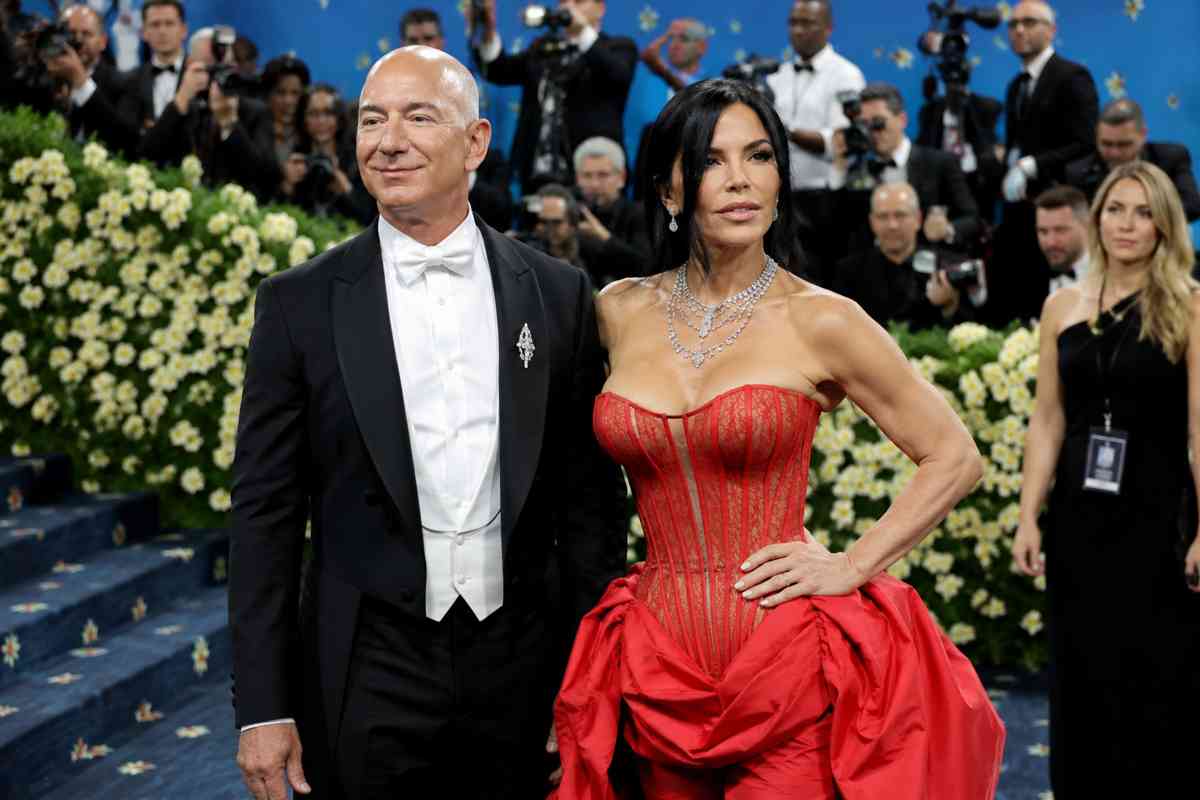
For years, the Met Gala stood apart from other celebrity events in American culture. Held annually at New York City’s Metropolitan Museum of Art, the fundraiser blended high fashion, entertainment, and art into one of the country’s most closely watched cultural spectacles. Unlike traditional awards shows, the event focused less on trophies and more on creativity, personal style, and theatrical interpretation of fashion themes.
But this year’s gala sparked a different kind of conversation — one centered less on couture and more on wealth, corporate influence, and the growing role of tech billionaires in elite cultural spaces.
The Met Gala’s Shift From Fashion to Corporate Power
The 2026 Met Gala drew scrutiny after Jeff Bezos and Lauren Sánchez Bezos emerged as major financial backers of the event and were named honorary chairs.
Their prominent role came at a time when public frustration with extreme wealth inequality remains high across the United States. Critics have increasingly targeted billionaire influence in politics, labor practices at companies like Amazon, and the growing overlap between corporate power and American cultural institutions.
Ahead of the gala, speculation circulated online that some celebrities might boycott the event in protest. While a few familiar faces appeared absent, the anticipated backlash never fully materialized. Celebrities, designers, executives, and social elites still gathered on the museum’s iconic steps for fashion’s biggest night.
Sánchez Bezos arrived in a custom gown by Schiaparelli alongside longtime gala organizer Anna Wintour and actress Nicole Kidman, signaling her growing acceptance within the upper ranks of American celebrity culture.
Tech Executives Take Center Stage
This year’s guest list reflected a broader cultural shift. Alongside actors, musicians, and designers were executives from major technology companies, including OpenAI, Instagram, Snap, and Amazon.
Mark Zuckerberg reportedly attended the Met Gala for the first time, highlighting the increasing presence of Silicon Valley leaders at events once dominated by fashion and entertainment figures.
According to reports from business media outlets, 2026 marked the first year a major tech figure served as the gala’s leading sponsor, with multiple technology companies purchasing tables at the event. For critics, the shift represented more than a changing guest list — it symbolized the growing ability of extreme wealth to buy access to nearly every elite institution in American life.
The Met Gala once projected an image of exclusivity tied to artistic achievement, fashion innovation, or cultural influence. Increasingly, critics argue, financial power alone appears sufficient to secure a place inside the event.
Fashion, Celebrity, and Wealth Collide
The tension surrounding this year’s gala also revived a broader debate about the role of money in celebrity culture.
Historically, the Met Gala cultivated an image as a gathering of artists, performers, and fashion visionaries. Celebrities such as Rihanna, Lady Gaga, and Janelle Monáe became known for using the event to showcase theatrical, avant-garde interpretations of fashion.
Critics now argue that the gala increasingly reflects the priorities of billionaire culture rather than artistic creativity.
For some observers, concerns about the event’s excesses began years earlier. One of the most debated moments came in 2021, when Alexandria Ocasio-Cortez attended the gala wearing a gown emblazoned with the phrase “Tax the Rich.” While supporters praised the statement, others viewed it as contradictory to criticize wealth inequality while participating in one of America’s most exclusive luxury events.
That debate has only intensified as celebrities, billionaires, politicians, and corporate executives increasingly occupy the same social circles.
The Growing Influence of Billionaires in American Culture
The controversy surrounding this year’s Met Gala reflects larger anxieties about the direction of American society in the Trump-era political climate and beyond. Across media, entertainment, technology, and politics, wealthy individuals and corporations now wield enormous influence over cultural institutions.
Critics point to the expanding power of billionaires in industries ranging from social media to streaming entertainment, where corporate ownership increasingly shapes public discourse, artistic production, and celebrity culture itself.
The presence of figures like Bezos and Zuckerberg at the Met Gala underscored how closely intertwined these worlds have become. What was once viewed primarily as a celebration of art and fashion now also serves as a showcase for wealth, corporate influence, and elite networking.
In many ways, the backlash to this year’s event was less about fashion choices and more about what the gala has come to represent in modern America: a convergence of celebrity, capital, and power.

Cohen is a contributor at Houstonian Online, covering a variety of topics including news, politics, business, technology, sports, entertainment, and lifestyle. With a focus on clear reporting and useful information, Cohen helps readers stay informed about current affairs, emerging trends, and stories that are relevant to their daily lives.